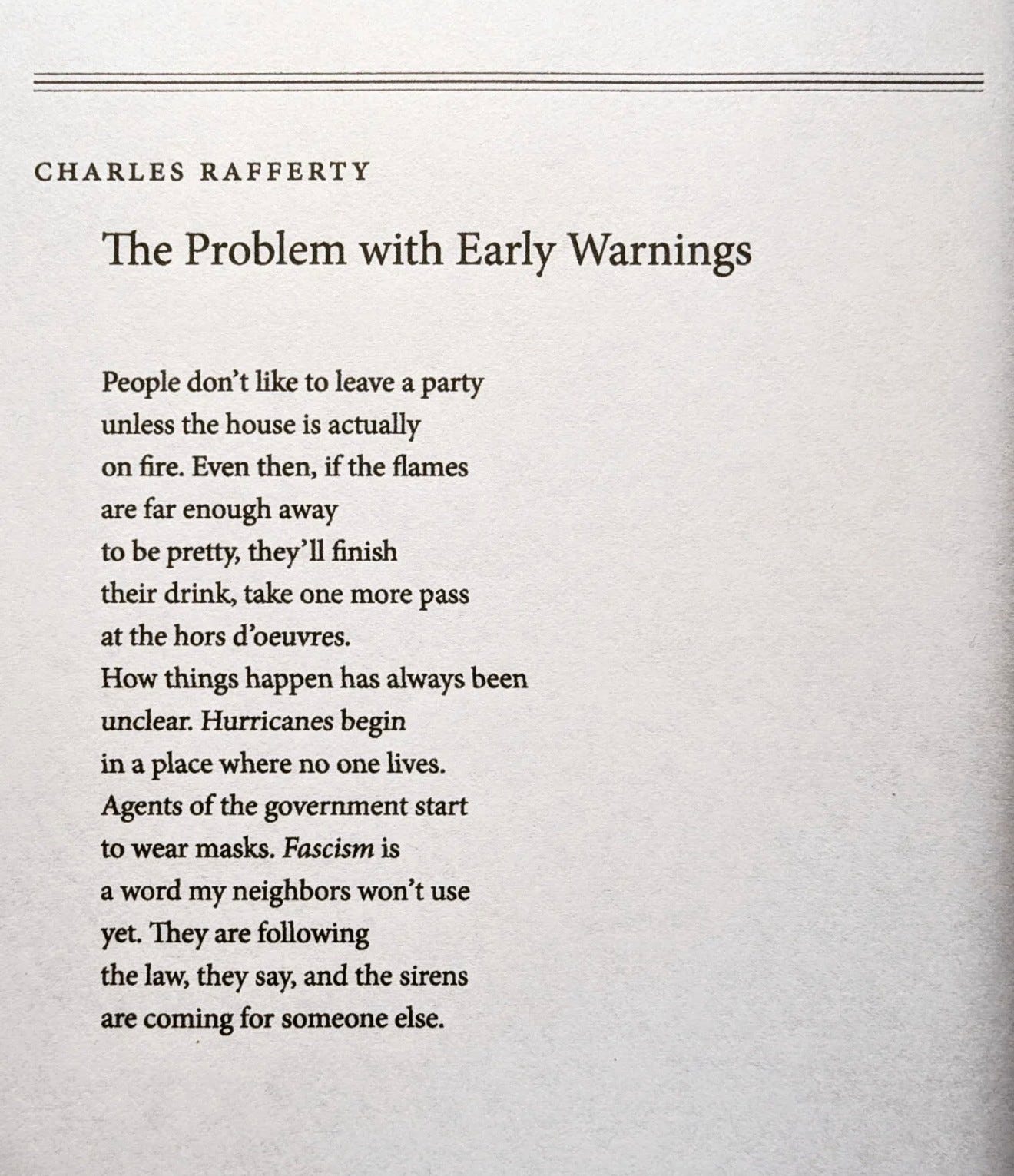
Songs about Money, Song of the Earth
music about value and values, wealth and want, buying stuff and refusing to consume
Click here for part one of this two part series featuring Songs of the Earth…and Money. If you find joy or inspiration in my mixtape delivery service, I’d be grateful for your support via a paid subscription. Recent additions to the subscriber-exclusive archive include Artist Primers on Björk, the Grateful Dead, and Sly & Robbie, along with Genre Primers devoted to Shoegaze & Dreampop and Electronic Flow State music.
# of Tracks: almost 60 recordings
Length: 3.5 hours
Themes: the amorality of cash money and the ethical soul searching it provokes ~ hardcore thrift and pop star excess ~ cash bail and taxation ~ the bling of luxury and cash registers ~ asset hoarding, social climbing, class solidarity, and inheritance ~ money as G*d and money as sadness ~ conformity and rebellion ~ hustler hopes and impoverished realities ~ the slave trade and generational wealth ~ thieves, shoppers, and bankers
Links: Spotify | Apple Music | YouTube
This is a playlist about value and values, wealth and want, buying stuff and refusing to consume. In short: songs about money.
The theme feels distinctly 2026, amid a thickening haze of dystopian tech, political authoritarianism, and newly released Epstein files, where only occasional shafts of light break through. (Go Mayor Mamdami?) Suddenly a twenty-year-old track by the Flaming Lips (“The Yeah Yeah Yeah Song”) sounds prophetic:
If you could make everybody poor just so you could be rich
Would you do it?If you could watch everybody work while you just lay on your back
Would you do it?If you could take all the love without giving any back
Would you do it?With all your power
What would you do?
With all your power
Nowadays this reads like the internal monologue of a billionaire broligarch—assuming you can imagine a flicker of conscience somewhere inside them.
I’ll admit this playlist is more eclectic (read: all over the place) than most installments of this mixtape delivery service, since the theme is lyrical rather than sonic. The perspectives range from anti-consumerist rhetoric to rap braggadocio, from parody to pure aspiration. One minute there’s swagger (Calloway’s “I Wanna Be Rich” or the Timbaland-affiliated obscurity “Money Owners”) and The Wolf of Wall Street-style scheming (Pet Shop Boys’ “Opportunities”). The next brings laments from every rung of the class ladder: Lead Belly on a bourgeoise town, Pulp on “Common People,” or Taylor Swift’s tale of dynastic wealth and its rarefied problems, “The Last Great American Dynasty”—a sharply drawn story song.
The transitions are sometimes absurd: Geese into TLC, Townes Van Zandt into Jay-Z, post-punk icon Ian MacKaye into classic-rock titans Pink Floyd. It may be the first time since the mid-00s mash-up era1 that anyone has attempted juxtapositions like this. (In the last case, it’s a segue from The Evens’ “No Money” into Pink Floyd’s “Money,” which, if I’m being honest, actually kind of works.)
Find the playlist on… Spotify | Apple Music | YouTube
The playlist includes songs such as…
^ 100 gecs: “money machine”
^ Jay-Z: “Hard Knock Life” (Ghetto Anthem) [featuring a sample from the musical Annie]
^ Pulp: “Common People”
^ Moor Mother: “ALL THE MONEY” (feat. Alya Al-Sultani)
^ Shade Sheist & Timbaland: “Money Owners”
Other thematic playlists on AHB’s Goodies


your own private Idaho (2024)
wordless vocals & music before language (2023)
music for yoga aka Let’s All Abandon Reality Together (2025)
Extra credit:
• Carl Wilson on Protest Songs: My Songs About Money playlist isn’t exclusively made up of protest songs—far from it. Several tracks openly celebrate getting rich. Still, whenever one takes on the topic of money, there’s usually an undercurrent of anxiety and complaint. Class, resources, and property shape people’s lives; strong feelings tend to follow.
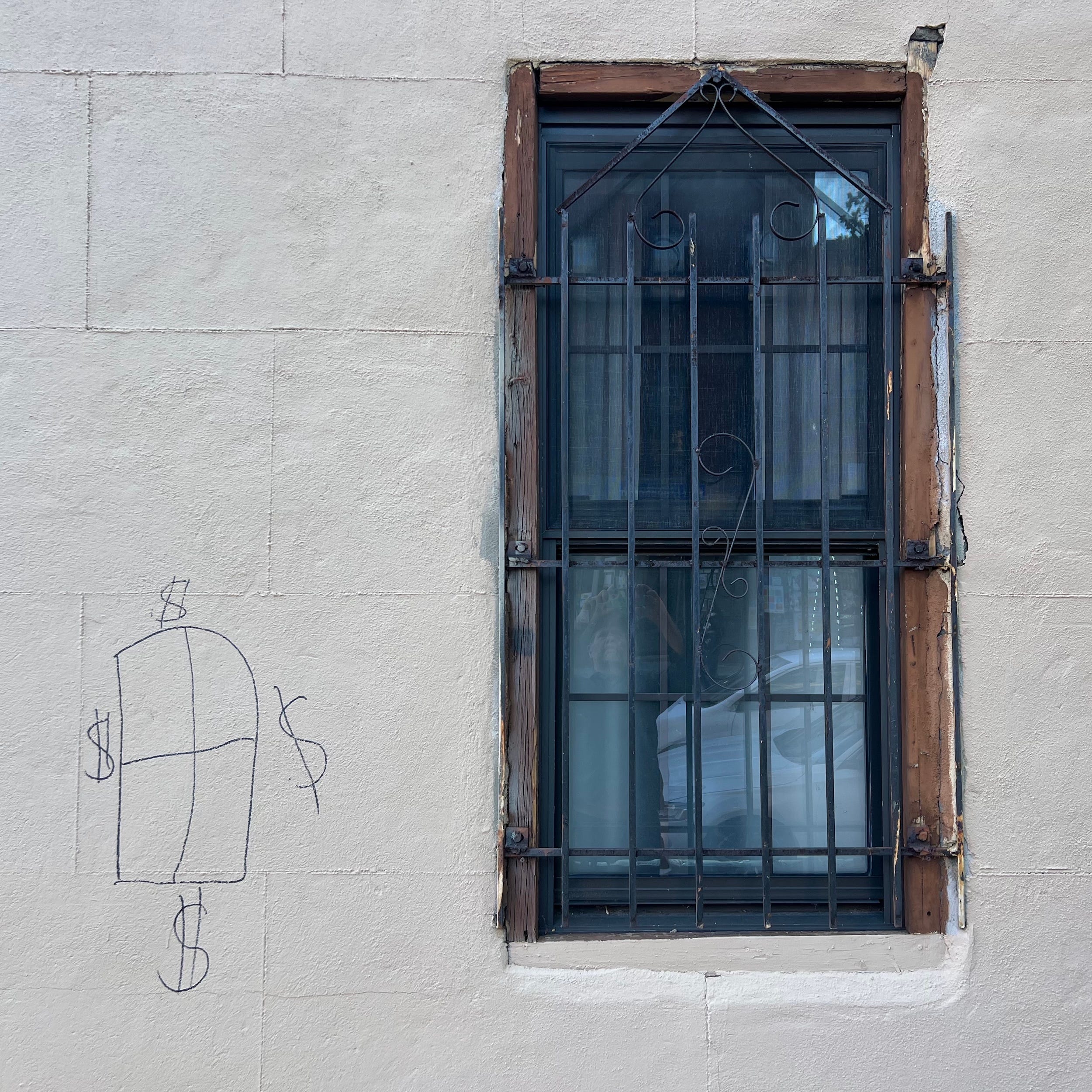
But I’m happy to report that full-blooded protest songs are alive and well…elsewhere. In quick succession this winter, Jesse Welles delivered a cringe-yet-powerful performance of “Join ICE” on the Stephen Colbert show; Bruce Springsteen released “Streets of Minneapolis” to memorialize the murders of Renée Good and Alex Pretti; and Bad Bunny accepted the Grammy for Album of the Year then performed at the Super Bowl halftime show, primarily in his native Spanish, portraying the joyful America we can return to, after the era of MAGA has faded.
For a fuller accounting of recent trends in protest music, I’ll point you toward Canadian music critic Carl Wilson who wrote a long piece for Slate, then followed it up with some outtakes on his newsletter Crritic! He makes some good points, which he summarizes like so:
The essay’s main theme ended up being how people who ask “where are all the protest songs” tend to look in the wrong places for the wrong reasons. Most protest singers today don’t look like Bob Dylan and Neil Young. They don’t play acoustic guitar. And as the past month has reminded us, the most effective protest songs tend to be inspired by already existing movements, helping to rally, motivate, sometimes explain them. They don’t start or lead the movements. Songs don’t “change the world”; they can only be part of something larger that does. And then, even when political singers do fit the image, as Jesse Welles does, that only confuses things further. Because it’s 2026 and Welles isn’t a coffeehouse folkie or train-hopping ragamuffin. He’s an internet influencer using TikTok and Instagram much the way the sly careerist Dylan exploited Sing Out! and Broadside magazines as venues to get his songs out and build attention. I think that digital reality behind the scruffy-poet camouflage is Welles’ most compelling feature.
Also recommended:
— Wilson’s playlist of 2020s protest songs on… YouTube | Spotify | Apple | Tidal
— This recent tweet from The Needle Drop on the impossibility of discovering genuinely new ideas—such as those articulated through protest music—which I’ve also quoted in this footnote —> 2
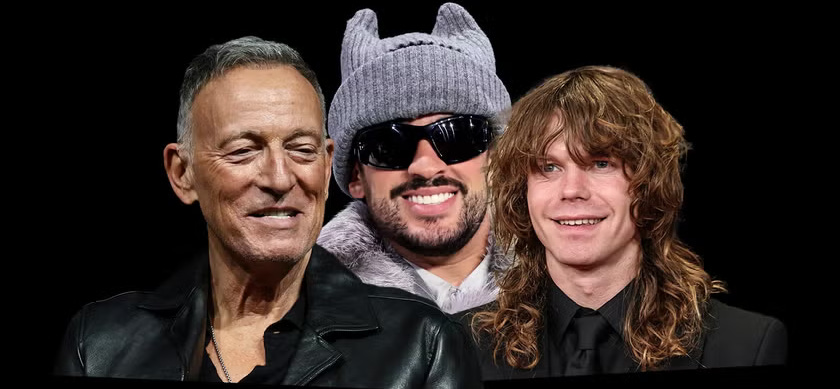
• Sometimes I prefer poems. This one by Charles Rafferty, published in January’s edition of The Southern Review, has found a modest second life as a meme.